|
|
|
| Lebanon Front Explodes as Israel Pushes Deeper and Trump Ally Warns Iran: “Play Ball or Be Destroyed” |
** “If the Iranian regime does not play well or play ball, they will be destroyed again.” — Greg Swenson
|
Lebanon Front Explodes as Israel Pushes Deeper and Trump Ally Warns Iran: “Play Ball or Be Destroyed”
2/06/2026
(See translation in Arabic section)
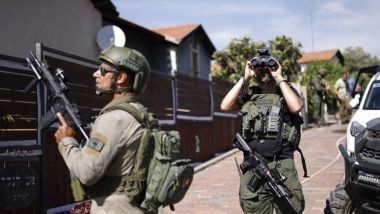
Sydney-Middle East Times Int'l: The conflict in Lebanon has entered one of its most dangerous stages yet, with Israeli forces expanding their operations in the south, capturing the historic Beaufort Castle, and ordering strikes on Beirut’s southern suburbs. At the same time, sharp warnings from allies of US President Donald Trump have increased pressure on Iran, raising fears that the confrontation could expand into a broader regional war.
The latest developments suggest that the fighting is no longer limited to border clashes or isolated military exchanges. Instead, Lebanon has again become a central front in a wider confrontation involving Israel, Hezbollah, Iran, the United States, and international diplomatic efforts aimed at preventing the region from sliding into a larger conflict.
One of the most significant developments was the capture of Beaufort Castle by Israeli forces for the first time in more than 25 years. The medieval fortress, located in southern Lebanon, carries deep symbolic and strategic importance. For Lebanon, it is a historic landmark connected to national memory and past wars. For Israel, its capture is being presented as a clear military and political message that the rules of engagement have changed.
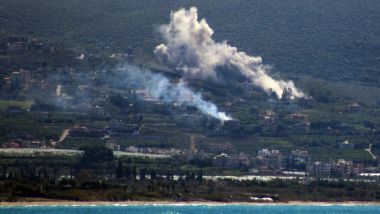
** ** Israeli Prime Minister Benjamin Netanyahu described the operation as a “dramatic shift” in Israeli policy, signalling that Israel may be prepared to push deeper into Lebanese territory if it believes Hezbollah continues to violate ceasefire arrangements or threaten Israeli security. The takeover of Beaufort Castle came as part of a wider expansion of Israeli operations across southern Lebanon.
The escalation has triggered urgent diplomatic concern. Diplomatic sources said the United Nations Security Council is expected to hold an emergency meeting on June 1 to discuss the fighting in Lebanon following Israel’s move into the historic fortress. The meeting reflects growing international anxiety that Lebanon could once again become the centre of a wider Middle East war.
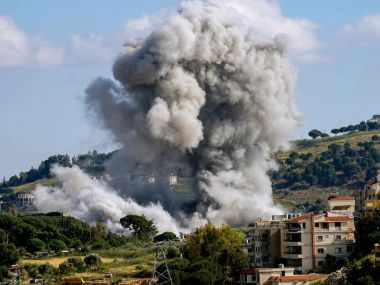
At the same time, Israel has also moved toward direct strikes on Beirut’s Dahiyeh district, an area described by Israeli officials as a Hezbollah stronghold. Netanyahu and Defence Minister Israel Katz directed the Israel Defense Forces to carry out the operation, linking the decision to accusations that Hezbollah had repeatedly violated ceasefire understandings.
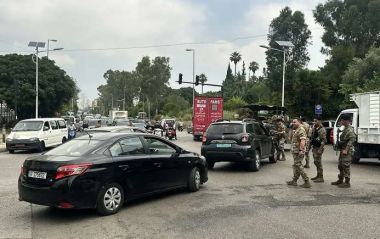
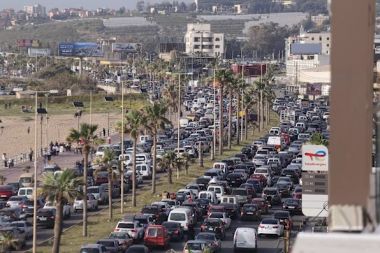
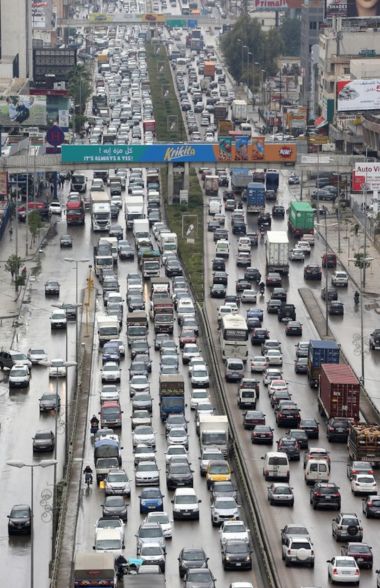
** ** The strike orders caused fear across the Lebanese capital. Thousands of civilians fled Beirut following the Israeli warning, seeking safety as the threat of wider bombardment increased. For many Lebanese families, the scenes revived memories of previous wars, when Beirut’s southern suburbs and large parts of southern Lebanon became targets of heavy military campaigns.
The United States had reportedly urged Israel for several weeks to avoid striking Beirut in order to give de-escalation talks a chance. Washington has proposed a sequence under which Hezbollah would first halt attacks, before Israel refrains from striking Beirut. The plan was intended to create a pathway toward reducing hostilities, but the latest Israeli actions show how fragile those diplomatic efforts have become.
The humanitarian situation is worsening rapidly. More than 1.2 million people have been displaced from southern Lebanon since March 2, a figure that reflects the scale of fear and disruption caused by the conflict. Families have been forced to leave homes, schools, farms, and businesses behind as the fighting grows more intense.
** ** ** Medical facilities are also under severe pressure. Médecins Sans Frontières has been treating large numbers of casualties in Tyre and Nabatiyeh, including many patients suffering severe blast injuries. In Tyre, airstrikes damaged a hospital and injured 13 staff members, further weakening Lebanon’s already fragile healthcare system at a time when civilian needs are rising dramatically.
Aid organisations and officials have called for an immediate halt to the escalation, warning that civilians are paying the heaviest price. The damage to hospitals, the mass displacement of families, and the growing number of casualties have deepened fears that Lebanon may face a long humanitarian emergency if the fighting continues.
Beyond Lebanon, the regional danger is also increasing. Iranian officials have issued warnings of broader retaliation, including possible actions involving strategic waterways. Such threats raise concerns that the conflict could expand beyond Lebanon and Israel, affecting shipping routes, energy supplies, and security across the Middle East.
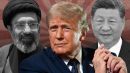
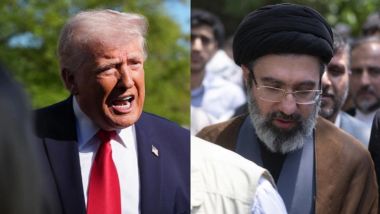
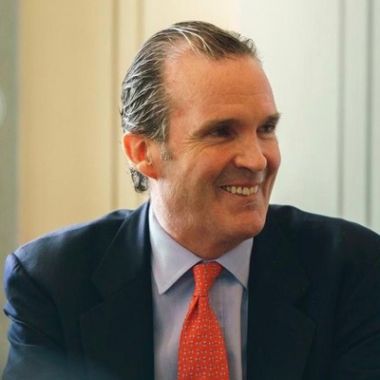
** In this tense atmosphere, Chairman of Republicans Overseas UK Greg Swenson told Sky News that President Trump is in a strong position against Iran. Swenson said Trump “has all the cards” and warned that the United States would not tolerate Iranian “misbehaviour.” He accused the Iranian regime of cheating and lying for decades, saying that if Tehran does not “play ball,” it risks being destroyed.
His comments reflect the harder tone now emerging from Trump’s political allies, who argue that Iran must be confronted firmly if it continues to support regional militias or escalate tensions. While such language may be intended as deterrence, it also adds to the volatile mood across the region.
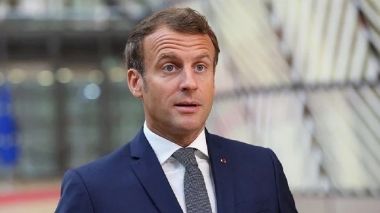
** International leaders, including French President Emmanuel Macron, have condemned the escalation and urged an end to hostilities. Their appeals come as the conflict threatens to undermine diplomatic efforts and deepen instability not only in Lebanon and Israel, but across the wider Middle East.
For now, the capture of Beaufort Castle, the strike orders on Beirut’s Dahiyeh district, the mass displacement in southern Lebanon, and the renewed threats toward Iran all point to one conclusion: the Lebanon front has become one of the most dangerous theatres in the region. Unless diplomacy succeeds quickly, the confrontation risks moving from a Lebanese-Israeli battlefield into a broader regional crisis with consequences far beyond Lebanon’s borders. |
|
|
|
|
|