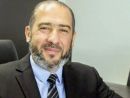
Al-Zayyani calls for closer EU-GCC cooperation 1/31/2012 BRUSSELS-- The Secretary General of the Gulf Cooperation Council (GCC), Abdulattif Al-Zayyani, Tuesday called for stronger ties between the GCC and the European Union (EU) for the benefit of regional and global security and economic prosperity. "The GCC-EU relationship is important and we should solidify our relationship to be able to face the international challenges that we are facing," he told the foreign affairs committee of the European Parliament (EP). The GCC chief noted that security in the Middle East, in particular the GCC, does effect the economic situation world wide. "The energy security is an issue we need to ensure that it is protected, and we need joint effort to ensure that our friends and allies receive the oil that they need for their economies," he said. Answering a question by a Member of the European Parliament on Iranian threats to close the Strait of Hormuz, Al-Zayyani stressed that Hormuz is an "international passage way and it is the responsibility of the international community to ensure the free navigation in that part of the world." "We will be working under international law," he added. Al-Zayyani, in his speech gave an overview of how the six-member regional bloc functions and its economic, political and social goals, which are aimed at the welfare of its citizens. He faced a number of a questions from the Members of the European Parliament on Bahrain, human rights and the process of democratisation in the GCC, as well as the situation in Syria and Iran. Al-Zayyani, who hails from Bahrain, said "we in the GCC are very proud of how the issue was handled and resolved in Bahrian." He noted that the King of Bahrain wanted to see the truth and he formed an unprecedented commission of renowned personalities who came out with a report whose recommendations are now being implemented. On human rights issues in the GCC, he said "I think we are on the right path. Women have started to participate in many sectors, including politics." "We are doing it according to our religion, customs and culture. There is continuous improvement," he said. On Syria, he said the GCC supports all Arab League initiatives. Speaking to journalists after the meeting in the EP, the GCC chief said his visit to Brussels is aimed at boosting ties with the 27-member European bloc and to enhance strategic ties between the two regional blocs. The GCC chief later met the EP's President Martin Schulz and the EU High Representative Catherine Ashton. Ashton's spokesperson Michael Mann told journalists that they discussed the situation in Syria, Yemen, Iran and Palestine. "It is a very important meeting. The EU has a lot of contacts with the GCC lately on Yemen," said Mann. Al-Zayyani is to meet the President of the EU Council Herman van Rompuy, the President of the European Commission Jose Manuel Barroso and the Belgian Foreign Minister Diders Reynders tomorrow. He arrived in Brussels on Sunday on his first visit to the EU. |